
COLD SPOTS. MOULD. THERMAL BRIDGING.
Cold spots and thermal bridging
Mould round windows and in corners has a cause, and it can be measured.
Thermal imaging, surface temperature factor (fRsi) testing and endoscope cavity inspection.
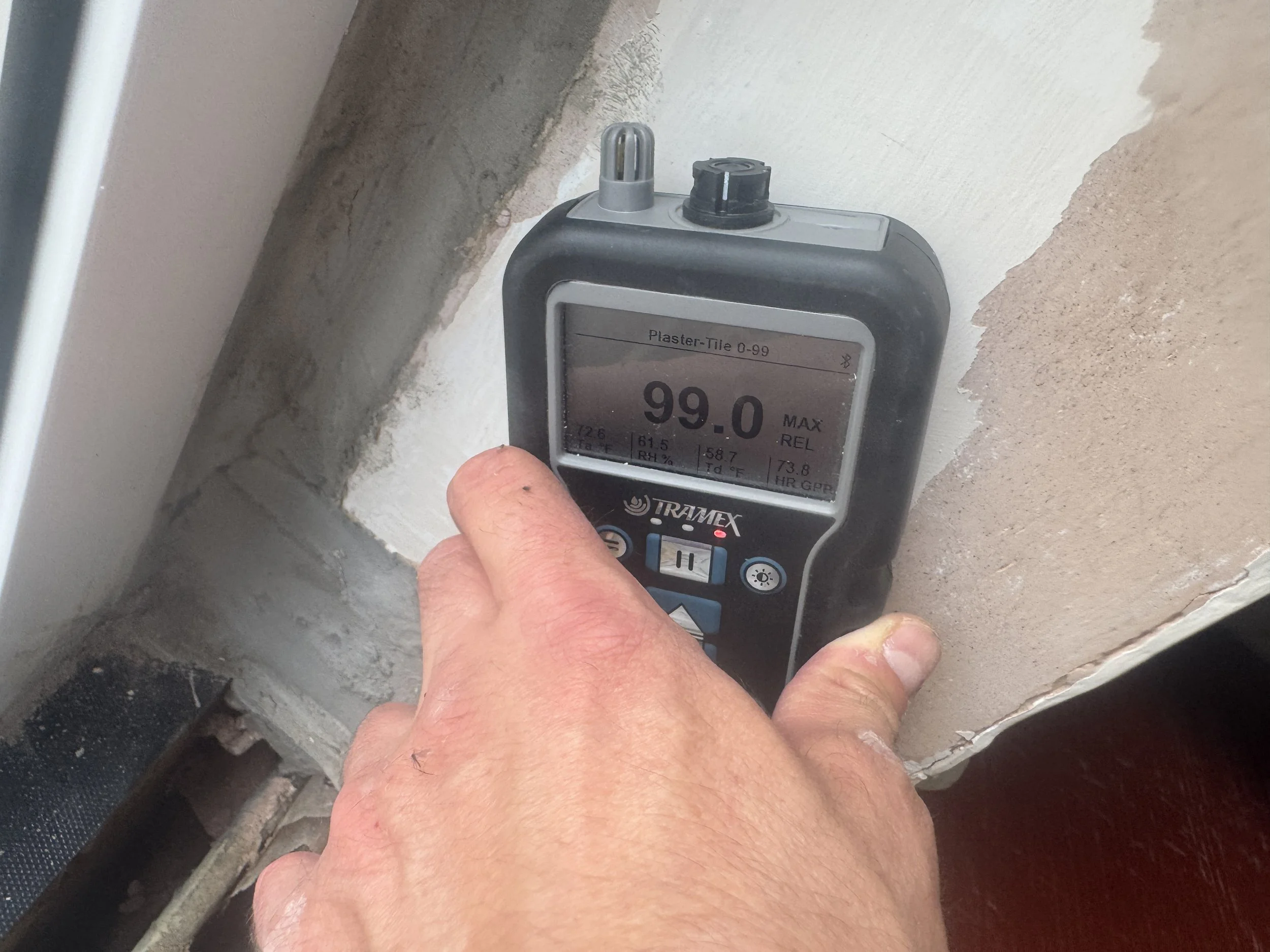
The tests
Each one answers a different question about the wall.
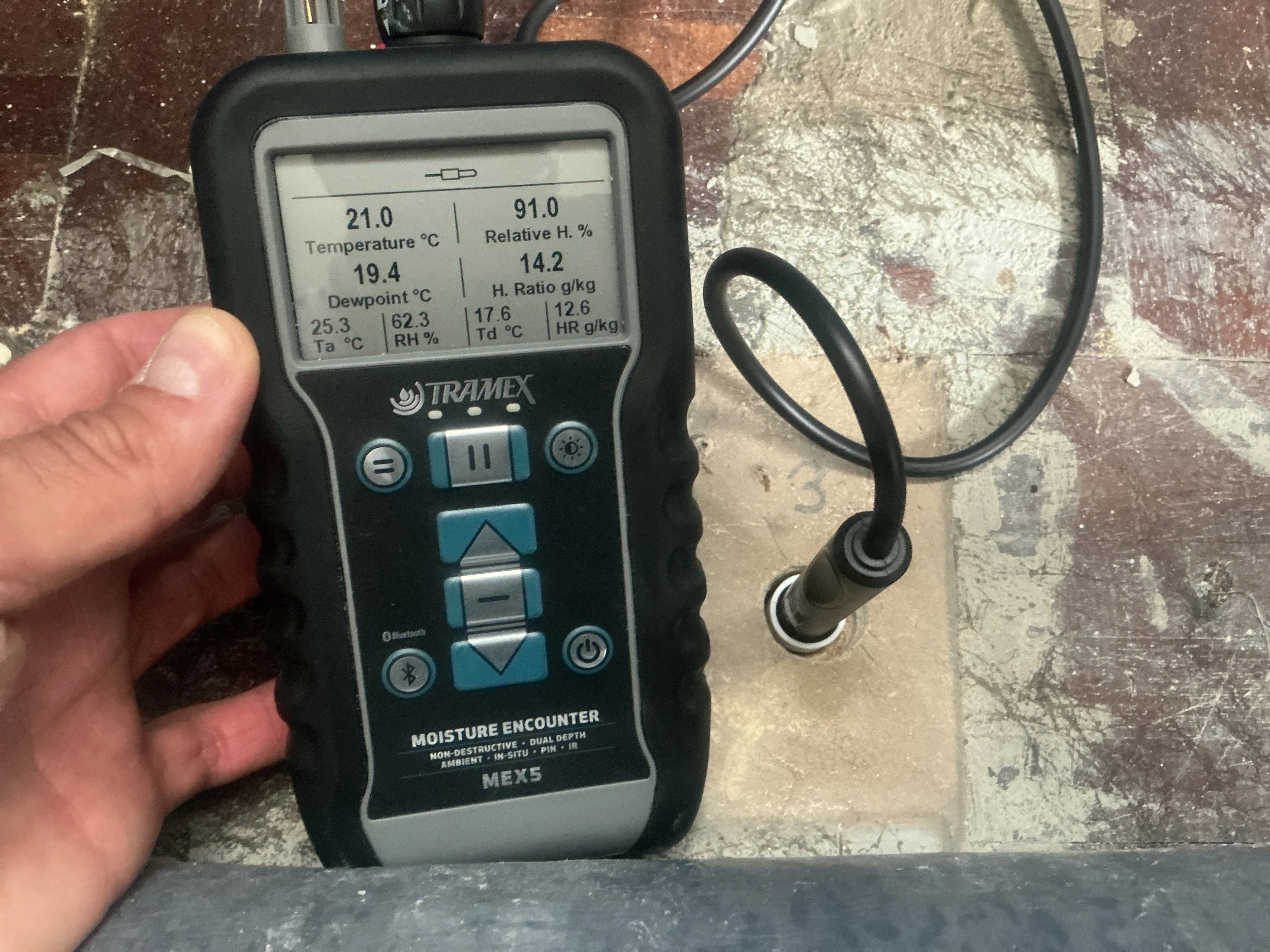
Log the conditions
Temperature and humidity, inside and out, recorded at the time of test.
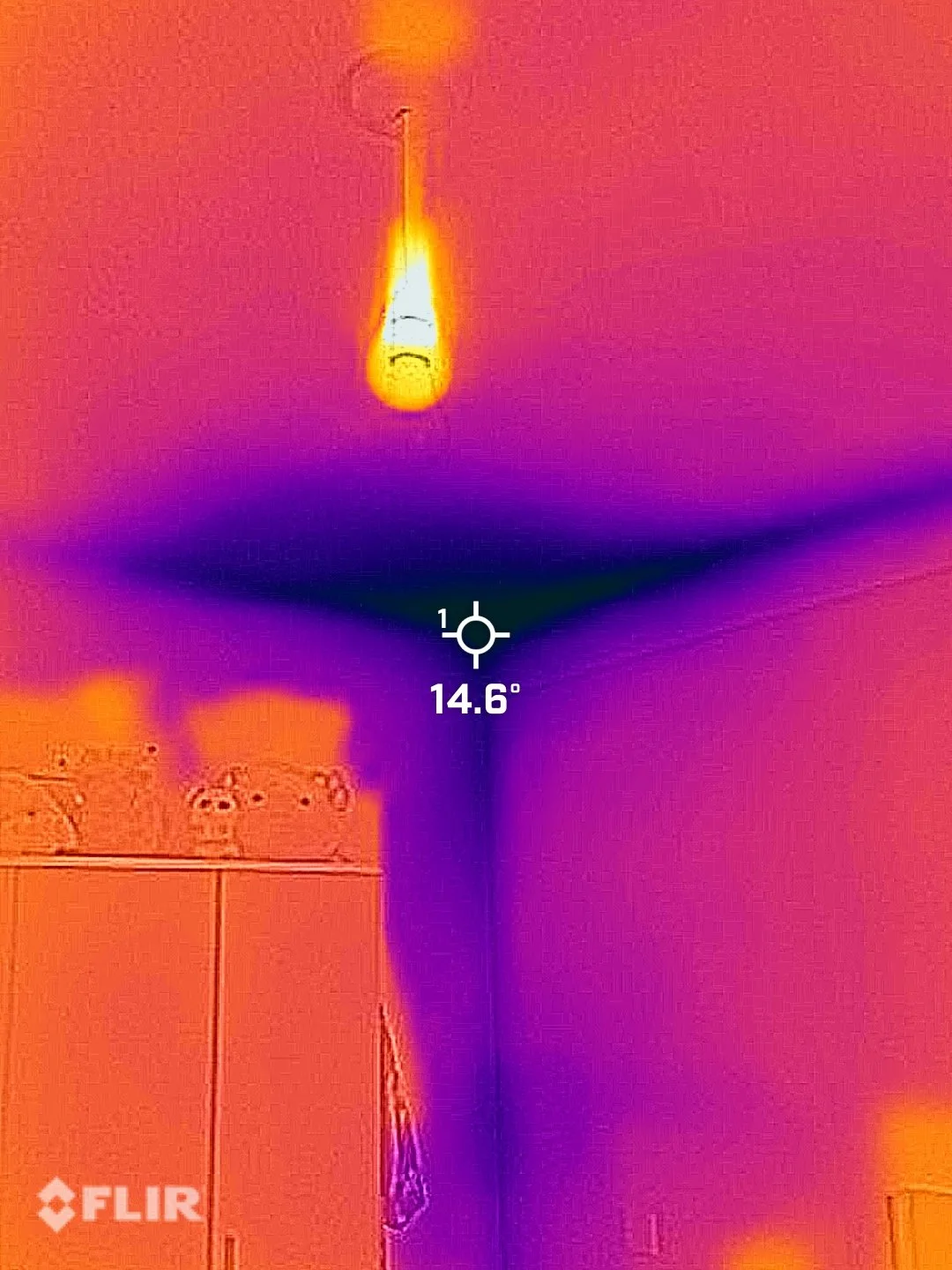
Find the cold bridge
Thermal imaging shows where heat is escaping and where mould will grow.
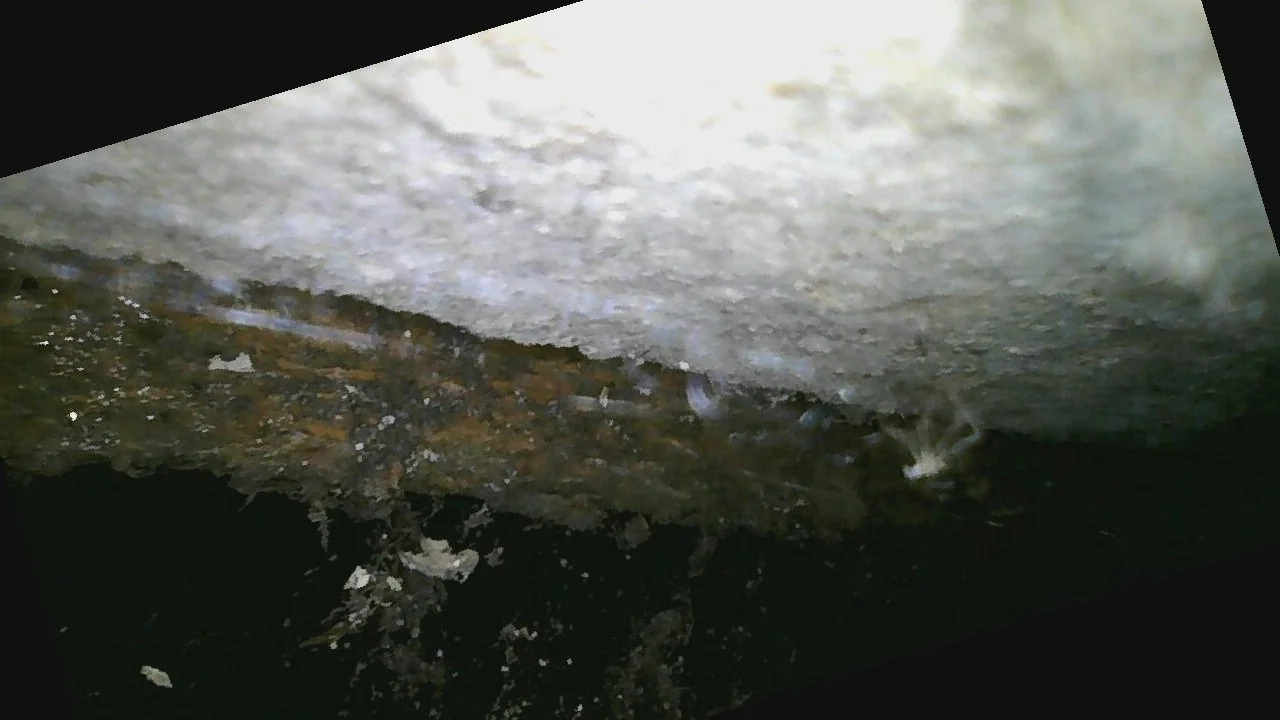
Look inside the cavity
An endoscope shows insulation, closers and wall ties without opening up.
Measure the moisture
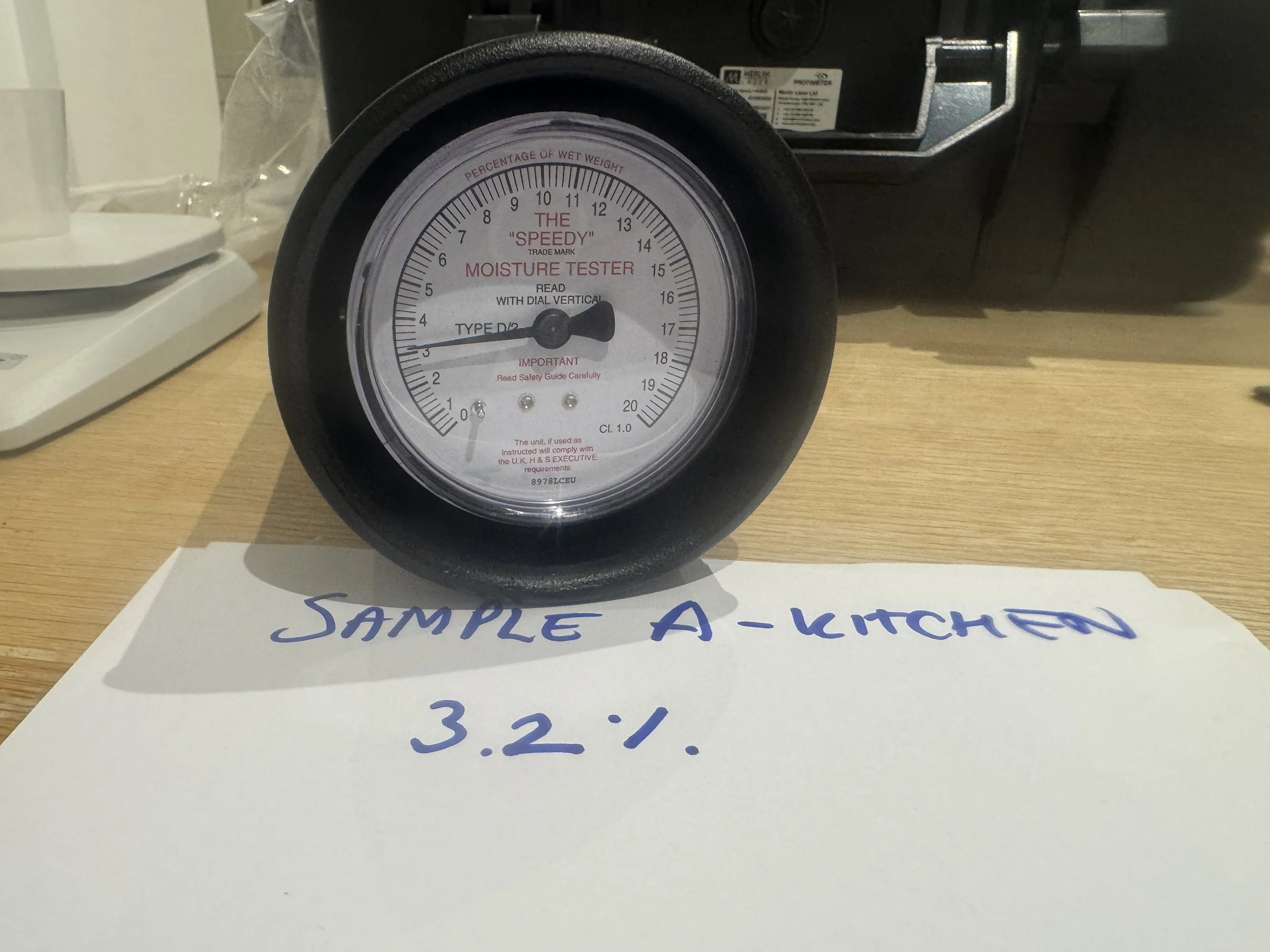
Carbide tests on drilled samples tell a wet wall from a cold one.
The fRsi test
Surface temperature, measured against the air inside and out, gives a temperature factor, assessed to BS EN ISO 13788. If it falls below the design limit, the building is part of the problem, not just how the home is lived in.
Clear about the limits
Thermal imaging needs a temperature difference between inside and out.
I’ll say if conditions on the day aren’t good enough, and come back when they are.
Instructions and enquiries
jonathan@durndell.co.uk · 01908 040469