
RISING. PENETRATING. CONDENSATION.
Damp in walls
Rising damp, penetrating damp, condensation and leaks need different repairs. The first job is establishing which.
Inspection, testing and a written report.
The causes
-
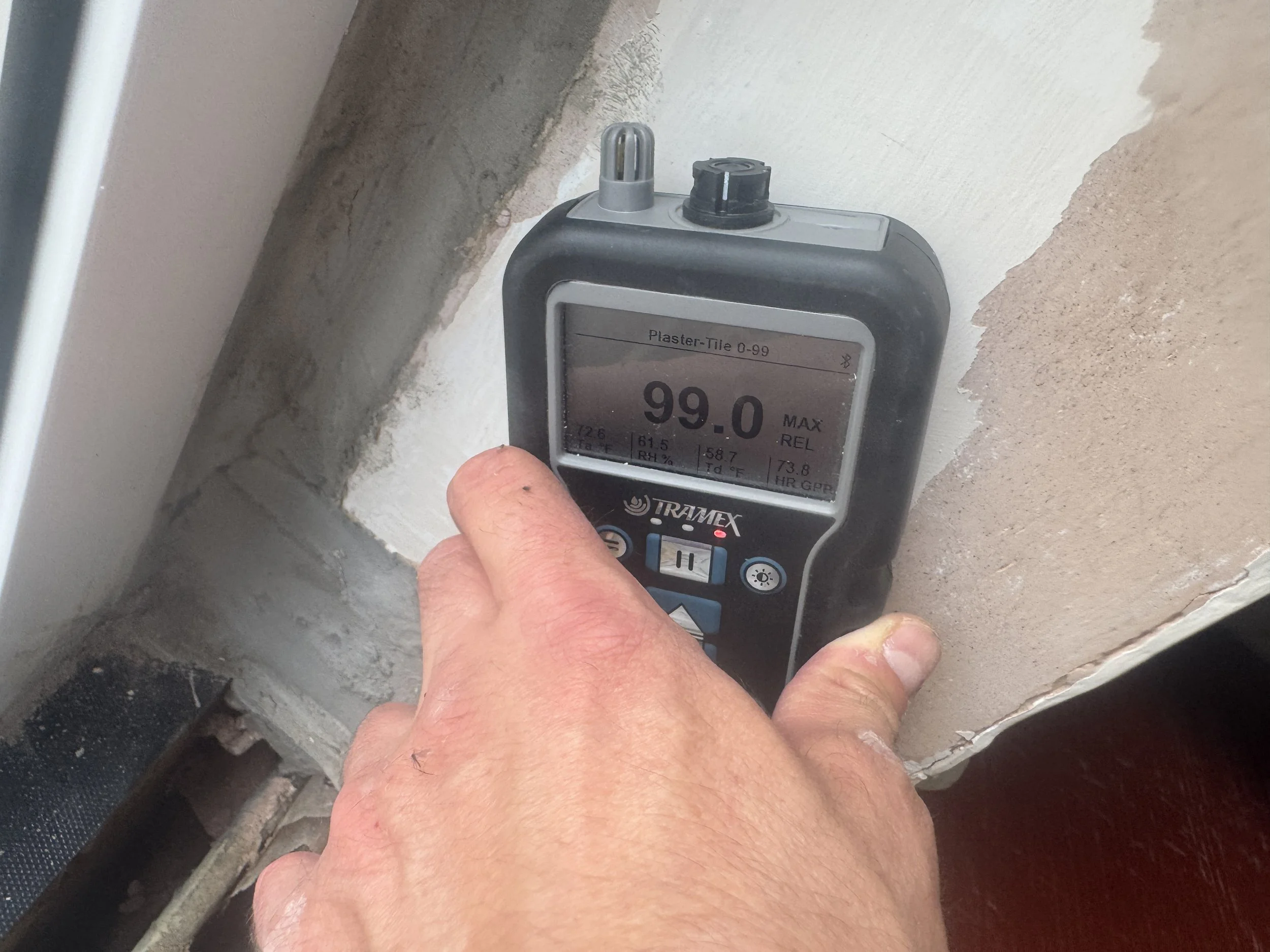
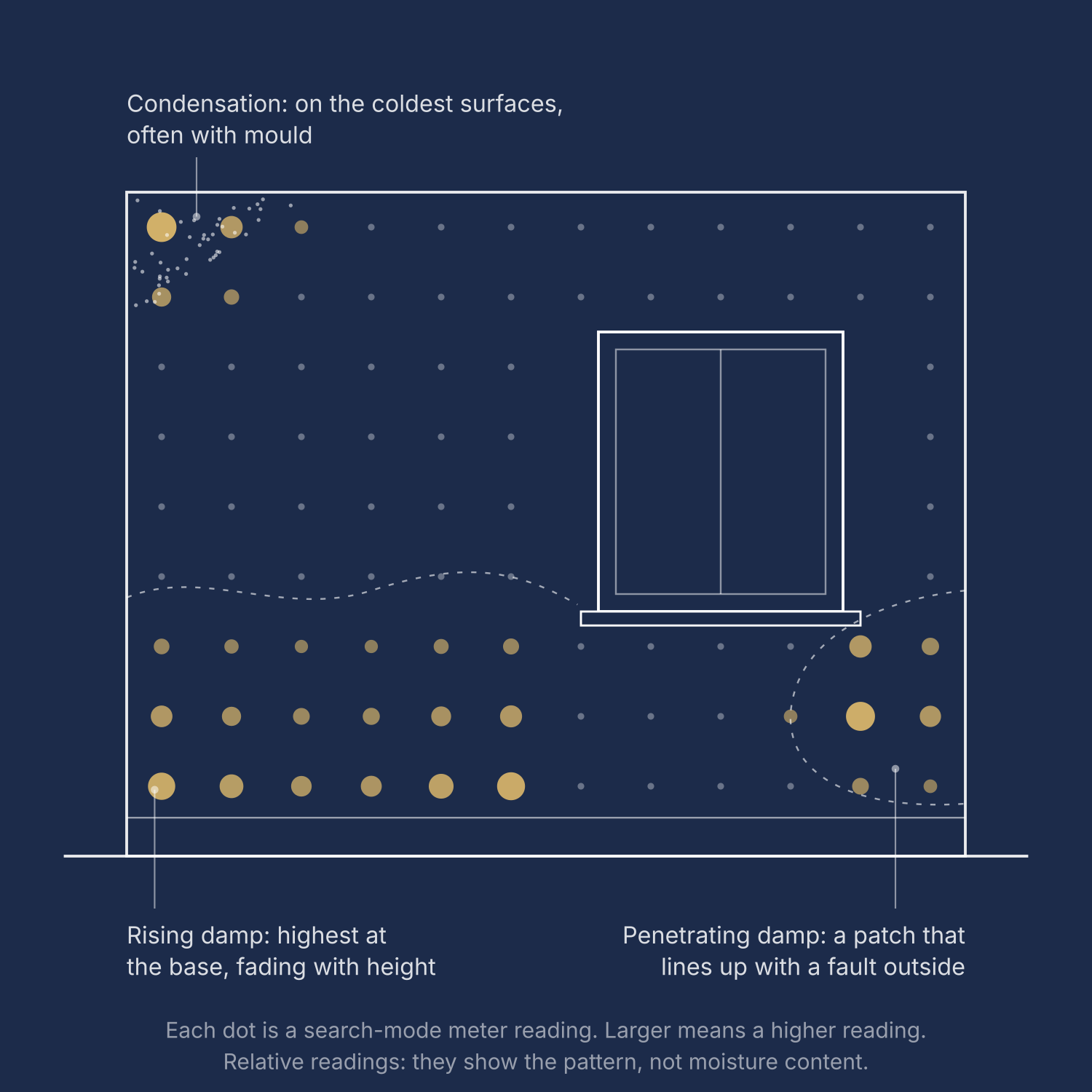
Moisture from the ground drawn into the base of a wall. Highest at the bottom and fading with height, often with a band of salts. Confirmed by moisture content at depth, not by a surface reading.
-
Rain getting in through a defect: pointing, render, gutters, or the junctions round windows and doors. It follows the weather and lines up with a fault outside.
-
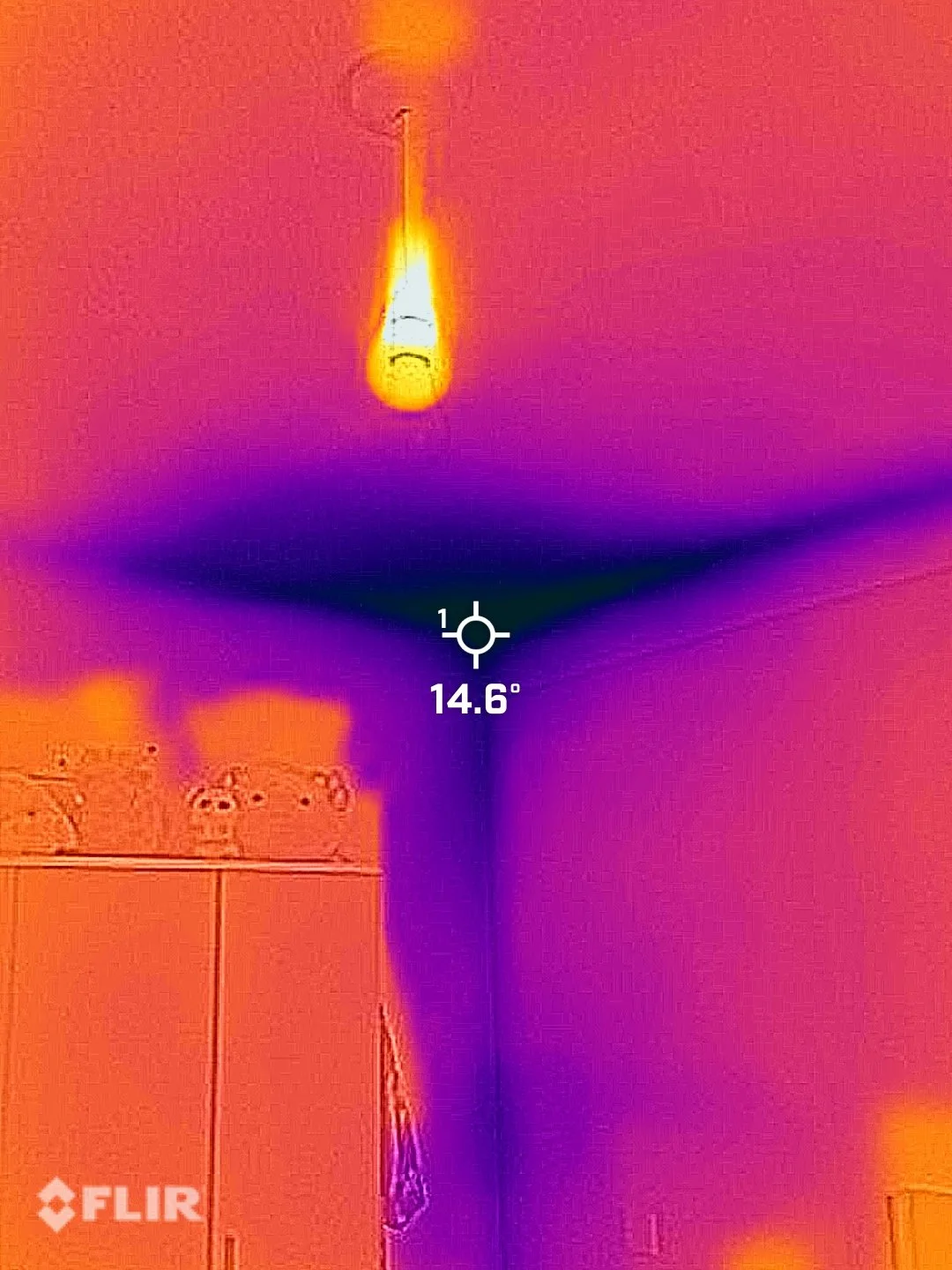
Moist air meeting a cold surface: corners, window reveals and behind furniture. Surface temperature and humidity readings show whether the building or its use is the cause.
-
A pipe, a waste or a drain. Often hidden, and often mistaken for one of the others. Thermal imaging and moisture mapping trace it back to the source.
-
Salts left in masonry and plaster take up moisture from the air and read as damp on a meter. Carbide testing shows whether the wall itself is wet.
How I tell them apart
Each cause leaves a different pattern. I map the pattern, then test what’s behind it.
Map the pattern
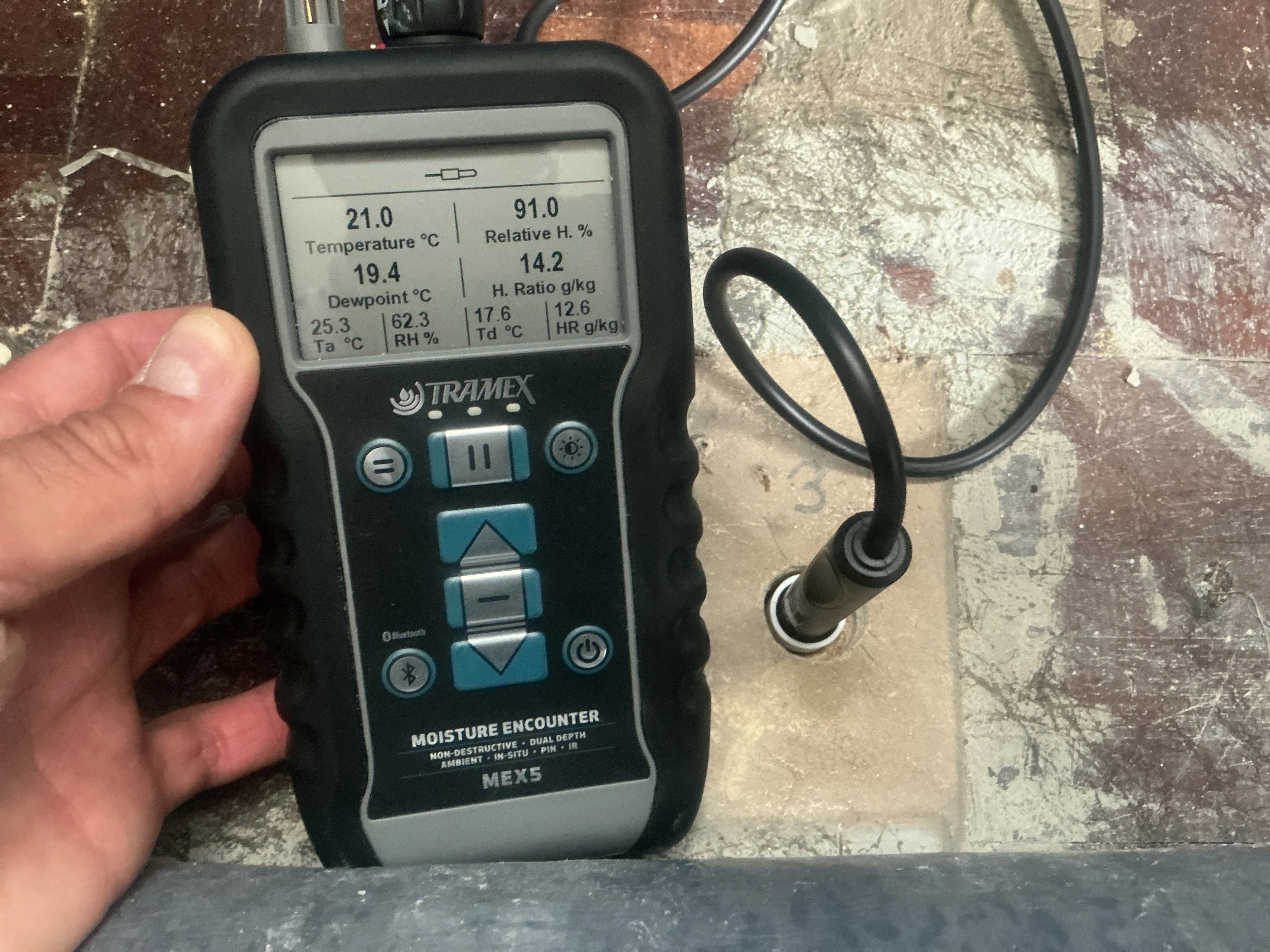
Search-mode readings across the wall or floor. Relative readings: they show where to test.
Find the cold spots
Thermal imaging and surface temperatures show where condensation will form.
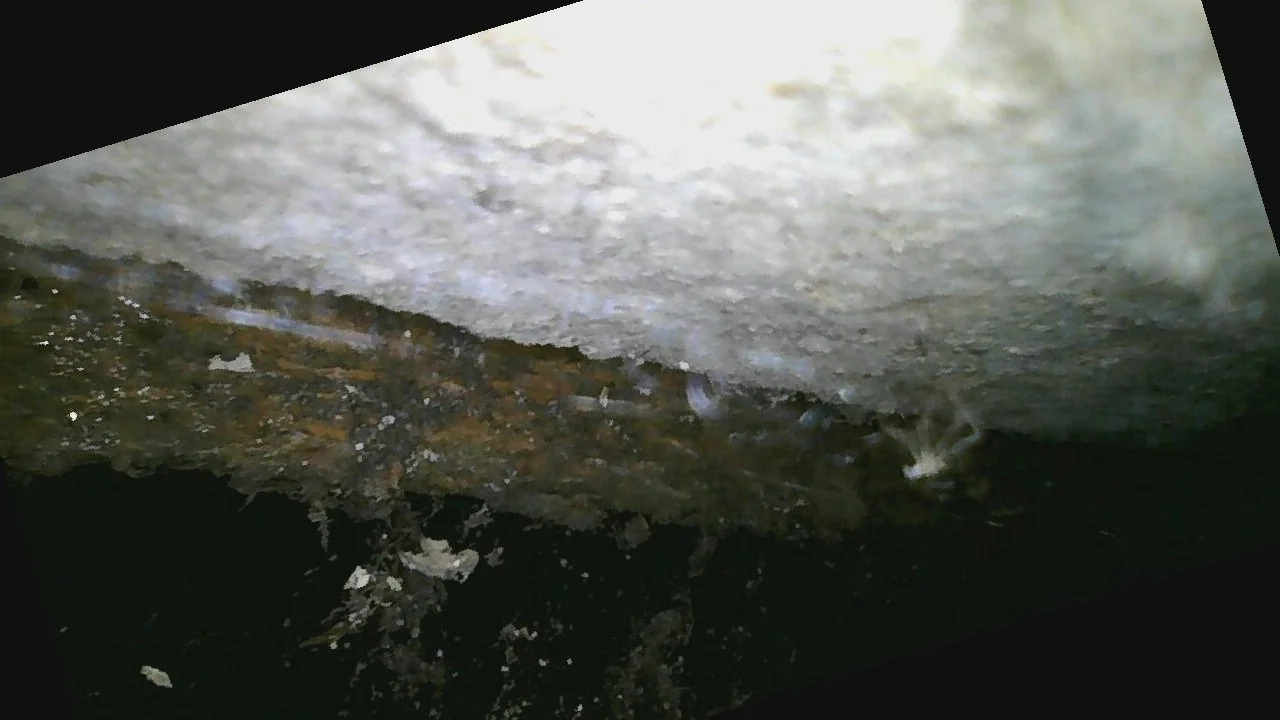
Look inside the wall
An endoscope shows the cavity, the ties and the DPC without opening up.
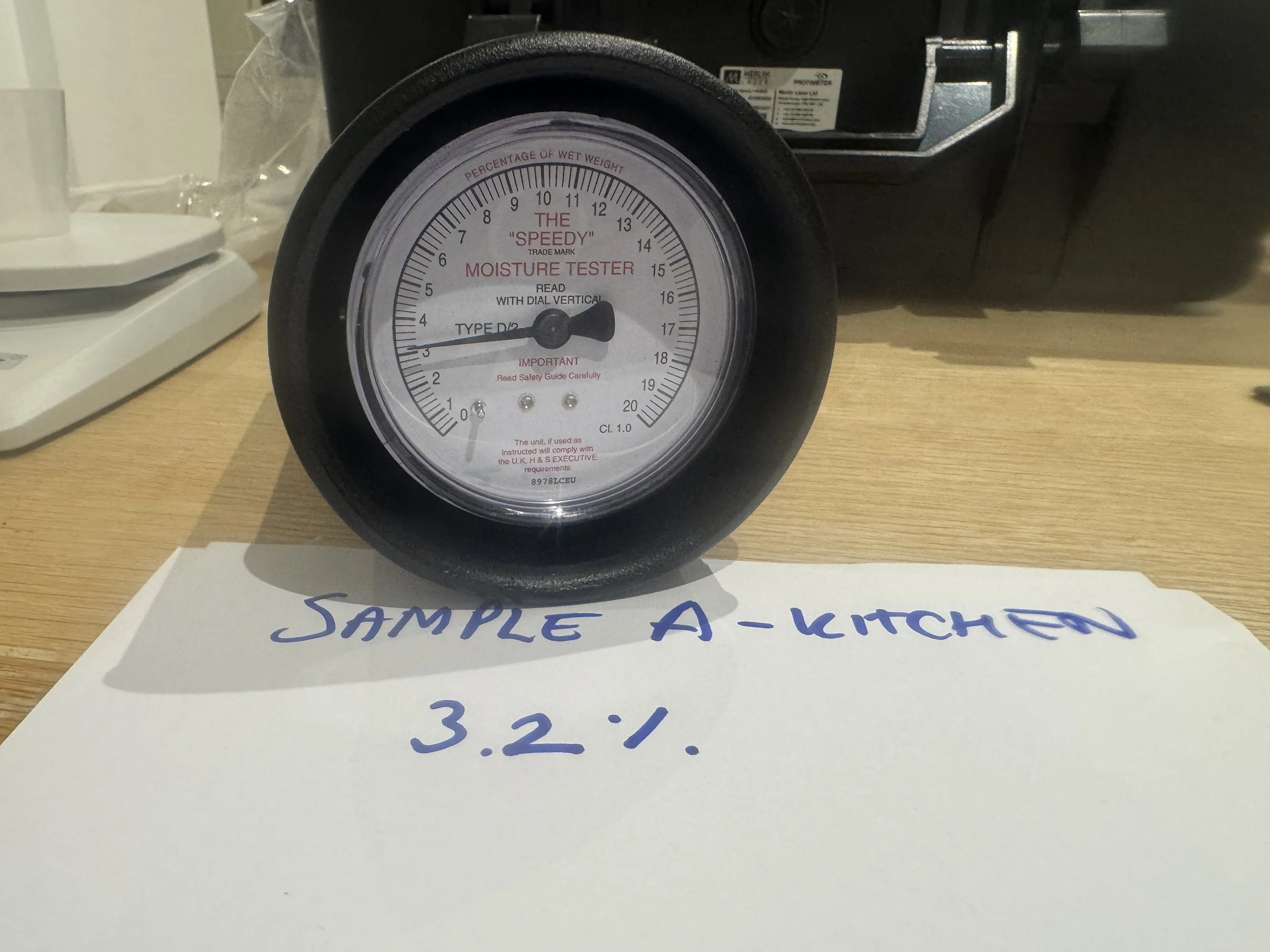
Measure the moisture
Carbide tests on drilled samples give moisture content at depth.
Rising damp is over-diagnosed
Rising damp is real. It’s also over-diagnosed. A high reading at the base of a wall can be salts, condensation or a bridged DPC. I test before I name it, following BRE BR 466 and the 2022 RICS, Historic England and PCA joint position statement.
Mould at window reveals
Mould round a window is usually blamed on the occupants. Often the reveal is cold because of how the window was built in, and opening windows won’t fix that. I measure it with logged surface temperatures (fRsi), then look inside the reveal.
Instructions and enquiries
jonathan@durndell.co.uk · 01908 040469